
Book an Appointment
Laparoscopic Incisional Hernia
Laparoscopic Incisional Hernia
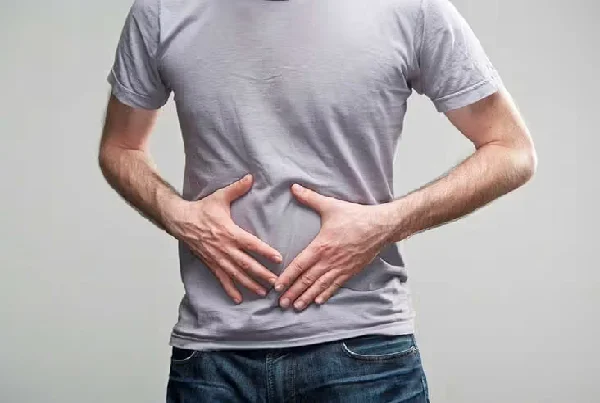
The incisional abdominal wall hernia is a type of hernia in which abdominal tissue or organs protrude through the incompletely healed fascia or muscularis of an abdominal incisional area due to intra-abdominal pressure.
What are the symptoms of a laparoscopic incisional hernia?
Incisional Hernia Diagnosis
Lump or protrusion in the abdomen at or near the site of a previous incision; the patient may be asked to stand and cough, which tends to make the hernia more pronounced. Nausea, vomiting, fever or rapid heart rate. Pain in the abdomen, especially around the protrusion.
Laparoscopic hernia repair is a technique to fix tears or openings in the abdominal wall using small incisions, laparoscopes (small telescopes inserted into the abdomen) and a patch to reinforce the abdominal wall. It may offer a quicker return to work and normal activities with decreased pain for some patients.
What is a ventral hernia?
When a ventral hernia occurs, it usually arises in the abdominal wall where a previous surgical incision was made. In this area the abdominal muscles have weakened; this results in a bulge or a tear. In the same way that an inner tube pushes through a damaged tire, the inner lining of the abdomen pushes through the weakened area of the abdominal wall to form a balloon-like sac. This can allow a loop of intestines or other abdominal contents to push into the sac. If the abdominal contents get stuck within the sac, they can become trapped or “incarcerated.” This could lead to potentially serious problems that might require emergency surgery.
Get In Touch
Tags
- Dr Jotinder Khanna
- Dr Jotinder Khanna laparoscopic surgeon
- Dr Jotinder Khanna general surgeon
- Dr Jotinder Khanna max hospital
- Best laparoscopic surgeon in Vaishali
- Laparoscopic general surgeon in Vaishali
- Best general surgeon in Vaishali
- Laparoscopic Cholecystectomy in Vaishali
- Laparoscopic Inguinal Hernia in Vaishali
- Laparoscopic Ventral Hernia in Vaishali
- Laparoscopic Incisional Hernia in Vaishali
- Laparoscopic Appendectomy in Vaishali
- Breast and Thyroid disease in Vaishali
- Laparoscopic Piles surgery in Vaishali
- Laparoscopic Fissure surgery in Vaishali
- Laparoscopic Fistula surgery in Vaishali
- Superficial Tumors and Lumps in Vaishali
- Best laparoscopic surgeon in Anand Vihar
- Laparoscopic general surgeon in Anand Vihar
- Best general surgeon in Anand Vihar
- Laparoscopic Cholecystectomy in Anand Vihar
- Laparoscopic Inguinal Hernia in Anand Vihar
- Laparoscopic Ventral Hernia in Anand Vihar
- Laparoscopic Incisional Hernia in Anand Vihar
- Laparoscopic Appendectomy in Anand Vihar
- Breast and Thyroid disease in Anand Vihar
- Laparoscopic Piles surgery in Anand Vihar
- Laparoscopic Fissure surgery in Anand Vihar
- Laparoscopic Fistula surgery in Anand Vihar
- Superficial Tumors and Lumps in Anand Vihar
- Best laparoscopic surgeon in Laxmi Nagar
- Laparoscopic general surgeon in Laxmi Nagar
- Best general surgeon in Laxmi Nagar
- Laparoscopic Cholecystectomy in Laxmi Nagar
- Laparoscopic Inguinal Hernia in Laxmi Nagar
- Laparoscopic Ventral Hernia in Laxmi Nagar
- Laparoscopic Incisional Hernia in Laxmi Nagar
- Laparoscopic Appendectomy in Laxmi Nagar
- Breast and Thyroid disease in Laxmi Nagar
- Laparoscopic Piles surgery in Laxmi Nagar
- Laparoscopic Fissure surgery in Laxmi Nagar
- Laparoscopic Fistula surgery in Laxmi Nagar
- Superficial Tumors and Lumps in Laxmi Nagar
- Best laparoscopic surgeon in Indirapuram
- Laparoscopic general surgeon in Indirapuram
- Best general surgeon in Indirapuram
- Laparoscopic Cholecystectomy in Indirapuram
- Laparoscopic Inguinal Hernia in Indirapuram
- Laparoscopic Ventral Hernia in Indirapuram
- Laparoscopic Incisional Hernia in Indirapuram
- Laparoscopic Appendectomy in Indirapuram
- Breast and Thyroid disease in Indirapuram
- Laparoscopic Piles surgery in Indirapuram
- Laparoscopic Fissure surgery in Indirapuram
- Laparoscopic Fistula surgery in Indirapuram
- Superficial Tumors and Lumps in Indirapuram
- Best laparoscopic surgeon in Vasundhara
- Laparoscopic general surgeon in Vasundhara
- Best general surgeon in Vasundhara
- Laparoscopic Cholecystectomy in Vasundhara
- Laparoscopic Inguinal Hernia in Vasundhara
- Laparoscopic Ventral Hernia in Vasundhara
- Laparoscopic Incisional Hernia in Vasundhara
- Laparoscopic Appendectomy in Vasundhara
- Breast and Thyroid disease in Vasundhara
- Laparoscopic Piles surgery in Vasundhara
- Laparoscopic Fissure surgery in Vasundhara
- Laparoscopic Fistula surgery in Vasundhara
- Superficial Tumors and Lumps in Vasundhara
- Best laparoscopic surgeon in Sarita Vihar
- Laparoscopic general surgeon in Sarita Vihar
- Best general surgeon in Sarita Vihar
- Laparoscopic Cholecystectomy in Sarita Vihar
- Laparoscopic Inguinal Hernia in Sarita Vihar
- Laparoscopic Ventral Hernia in Sarita Vihar
- Laparoscopic Incisional Hernia in Sarita Vihar
- Laparoscopic Appendectomy in Sarita Vihar
- Breast and Thyroid disease in Sarita Vihar
- Laparoscopic Piles surgery in Sarita Vihar
- Laparoscopic Fissure surgery in Sarita Vihar
- Laparoscopic Fistula surgery in Sarita Vihar
- Superficial Tumors and Lumps in Sarita Vihar
- Best laparoscopic surgeon in Kalkaji
- Laparoscopic general surgeon in Kalkaji
- Best general surgeon in Kalkaji
- Laparoscopic Cholecystectomy in Kalkaji
- Laparoscopic Inguinal Hernia in Kalkaji
- Laparoscopic Ventral Hernia in Kalkaji
- Laparoscopic Incisional Hernia in Kalkaji
- Laparoscopic Appendectomy in Kalkaji
- Breast and Thyroid disease in Kalkaji
- Laparoscopic Piles surgery in Kalkaji
- Laparoscopic Fissure surgery in Kalkaji
- Laparoscopic Fistula surgery in Kalkaji
- Superficial Tumors and Lumps in Kalkaji
- Best laparoscopic surgeon in Govindpuri
- Laparoscopic general surgeon in Govindpuri
- Best general surgeon in Govindpuri
- Laparoscopic Cholecystectomy in Govindpuri
- Laparoscopic Inguinal Hernia in Govindpuri
- Laparoscopic Ventral Hernia in Govindpuri
- Laparoscopic Incisional Hernia in Govindpuri
- Laparoscopic Appendectomy in Govindpuri
- Breast and Thyroid disease in Govindpuri
- Laparoscopic Piles surgery in Govindpuri
- Laparoscopic Fissure surgery in Govindpuri
- Laparoscopic Fistula surgery in Govindpuri
- Superficial Tumors and Lumps in Govindpuri
- Best laparoscopic surgeon in CR Park
- Laparoscopic general surgeon in CR Park
- Best general surgeon in CR Park
- Laparoscopic Cholecystectomy in CR Park
- Laparoscopic Inguinal Hernia in CR Park
- Laparoscopic Ventral Hernia in CR Park
- Laparoscopic Incisional Hernia in CR Park
- Laparoscopic Appendectomy in CR Park
- Breast and Thyroid disease in CR Park
- Laparoscopic Piles surgery in CR Park
- Laparoscopic Fissure surgery in CR Park
- Laparoscopic Fistula surgery in CR Park
- Superficial Tumors and Lumps in CR Park
- Best laparoscopic surgeon in Nehru Enclave
- Laparoscopic general surgeon in Nehru Enclave
- Best general surgeon in Nehru Enclave
- Laparoscopic Cholecystectomy in Nehru Enclave
- Laparoscopic Inguinal Hernia in Nehru Enclave
- Laparoscopic Ventral Hernia in Nehru Enclave
- Laparoscopic Incisional Hernia in Nehru Enclave
- Laparoscopic Appendectomy in Nehru Enclave
- Breast and Thyroid disease in Nehru Enclave
- Laparoscopic Piles surgery in Nehru Enclave
- Laparoscopic Fissure surgery in Nehru Enclave
- Laparoscopic Fistula surgery in Nehru Enclave
- Superficial Tumors and Lumps in Nehru Enclave
- Best laparoscopic surgeon in Nehru Place
- Laparoscopic general surgeon in Nehru Place
- Best general surgeon in Nehru Place
- Laparoscopic Cholecystectomy in Nehru Place
- Laparoscopic Inguinal Hernia in Nehru Place
- Laparoscopic Ventral Hernia in Nehru Place
- Laparoscopic Incisional Hernia in Nehru Place
- Laparoscopic Appendectomy in Nehru Place
- Breast and Thyroid disease in Nehru Place
- Laparoscopic Piles surgery in Nehru Place
- Laparoscopic Fissure surgery in Nehru Place
- Laparoscopic Fistula surgery in Nehru Place
- Superficial Tumors and Lumps in Nehru Place
- Best laparoscopic surgeon in Saket
- Laparoscopic general surgeon in Saket
- Best general surgeon in Saket
- Laparoscopic Cholecystectomy in Saket
- Laparoscopic Inguinal Hernia in Saket
- Laparoscopic Ventral Hernia in Saket
- Laparoscopic Incisional Hernia in Saket
- Laparoscopic Appendectomy in Saket
- Breast and Thyroid disease in Saket
- Laparoscopic Piles surgery in Saket
- Laparoscopic Fissure surgery in Saket
- Laparoscopic Fistula surgery in Saket
- Superficial Tumors and Lumps in Saket
- Best laparoscopic surgeon in Greater Kailash
- Laparoscopic general surgeon in Greater Kailash
- Best general surgeon in Greater Kailash
- Laparoscopic Cholecystectomy in Greater Kailash
- Laparoscopic Inguinal Hernia in Greater Kailash
- Laparoscopic Ventral Hernia in Greater Kailash
- Laparoscopic Incisional Hernia in Greater Kailash
- Laparoscopic Appendectomy in Greater Kailash
- Breast and Thyroid disease in Greater Kailash
- Laparoscopic Piles surgery in Greater Kailash
- Laparoscopic Fissure surgery in Greater Kailash
- Laparoscopic Fistula surgery in Greater Kailash
- Superficial Tumors and Lumps in Greater Kailash
- Best laparoscopic surgeon in South Delhi
- Laparoscopic general surgeon in South Delhi
- Best general surgeon in South Delhi
- Laparoscopic Cholecystectomy in South Delhi
- Laparoscopic Inguinal Hernia in South Delhi
- Laparoscopic Ventral Hernia in South Delhi
- Laparoscopic Incisional Hernia in South Delhi
- Laparoscopic Appendectomy in South Delhi
- Breast and Thyroid disease in South Delhi
- Laparoscopic Piles surgery in South Delhi
- Laparoscopic Fissure surgery in South Delhi
- Laparoscopic Fistula surgery in South Delhi
- Superficial Tumors and Lumps in South Delhi
- Best laparoscopic surgeon in Malviya Nagar
- Laparoscopic general surgeon in Malviya Nagar
- Best general surgeon in Malviya Nagar
- Laparoscopic Cholecystectomy in Malviya Nagar
- Laparoscopic Inguinal Hernia in Malviya Nagar
- Laparoscopic Ventral Hernia in Malviya Nagar
- Laparoscopic Incisional Hernia in Malviya Nagar
- Laparoscopic Appendectomy in Malviya Nagar
- Breast and Thyroid disease in Malviya Nagar
- Laparoscopic Piles surgery in Malviya Nagar
- Laparoscopic Fissure surgery in Malviya Nagar
- Laparoscopic Fistula surgery in Malviya Nagar
- Superficial Tumors and Lumps in Malviya Nagar
- Best laparoscopic surgeon in Vasant Kunj
- Laparoscopic general surgeon in Vasant Kunj
- Best general surgeon in Vasant Kunj
- Laparoscopic Cholecystectomy in Vasant Kunj
- Laparoscopic Inguinal Hernia in Vasant Kunj
- Laparoscopic Ventral Hernia in Vasant Kunj
- Laparoscopic Incisional Hernia in Vasant Kunj
- Laparoscopic Appendectomy in Vasant Kunj
- Breast and Thyroid disease in Vasant Kunj
- Laparoscopic Piles surgery in Vasant Kunj
- Laparoscopic Fissure surgery in Vasant Kunj
- Laparoscopic Fistula surgery in Vasant Kunj
- Superficial Tumors and Lumps in Vasant Kunj
- Best laparoscopic surgeon in Noida Sector 62
- Laparoscopic general surgeon in Noida Sector 62
- Best General Surgeon in Noida Sector 62
- Laparoscopic Cholecystectomy in Noida Sector 62
- Laparoscopic Inguinal Hernia in Noida Sector 62
- Laparoscopic Ventral Hernia in Noida Sector 62
- Laparoscopic Incisional Hernia in Noida Sector 62
- Laparoscopic Appendectomy in Noida Sector 62
- Breast and Thyroid disease in Noida Sector 62
- Laparoscopic Piles surgery in Noida Sector 62
- Laparoscopic Fissure surgery in Noida Sector 62
- Laparoscopic Fistula surgery in Noida Sector 62
- Superficial Tumors and Lumps in Noida Sector 62
- Best laparoscopic surgeon in Noida Sector 57
- Laparoscopic general surgeon in Noida Sector 57
- Best General Surgeon in Noida Sector 57
- Laparoscopic Cholecystectomy in Noida Sector 57
- Laparoscopic Inguinal Hernia in Noida Sector 57
- Laparoscopic Ventral Hernia in Noida Sector 57
- Laparoscopic Incisional Hernia in Noida Sector 57
- Laparoscopic Appendectomy in Noida Sector 57
- Breast and Thyroid disease in Noida Sector 57
- Laparoscopic Piles surgery in Noida Sector 57
- Laparoscopic Fissure surgery in Noida Sector 57
- Laparoscopic Fistula surgery in Noida Sector 57
- Superficial Tumors and Lumps in Noida Sector 57
- Best laparoscopic surgeon in Noida Sector 58
- Laparoscopic general surgeon in Noida Sector 58
- Best General Surgeon in Noida Sector 58
- Laparoscopic Cholecystectomy in Noida Sector 58
- Laparoscopic Inguinal Hernia in Noida Sector 58
- Laparoscopic Ventral Hernia in Noida Sector 58
- Laparoscopic Incisional Hernia in Noida Sector 58
- Laparoscopic Appendectomy in Noida Sector 58
- Breast and Thyroid disease in Noida Sector 58
- Laparoscopic Piles surgery in Noida Sector 58
- Laparoscopic Fissure surgery in Noida Sector 58
- Laparoscopic Fistula surgery in Noida Sector 58
- Superficial Tumors and Lumps in Noida Sector 58
- Best laparoscopic surgeon in Noida Sector 41
- Laparoscopic general surgeon in Noida Sector 41
- Best General Surgeon in Noida Sector 41
- Laparoscopic Cholecystectomy in Noida Sector 41
- Laparoscopic Inguinal Hernia in Noida Sector 41
- Laparoscopic Ventral Hernia in Noida Sector 41
- Laparoscopic Incisional Hernia in Noida Sector 41
- Laparoscopic Appendectomy in Noida Sector 41
- Breast and Thyroid disease in Noida Sector 41
- Laparoscopic Piles surgery in Noida Sector 41
- Laparoscopic Fissure surgery in Noida Sector 41
- Laparoscopic Fistula surgery in Noida Sector 41
- Superficial Tumors and Lumps in Noida Sector 41
- Best laparoscopic surgeon in Noida Sector 43
- Laparoscopic general surgeon in Noida Sector 43
- Best General Surgeon in Noida Sector 43
- Laparoscopic Cholecystectomy in Noida Sector 43
- Laparoscopic Inguinal Hernia in Noida Sector 43
- Laparoscopic Ventral Hernia in Noida Sector 43
- Laparoscopic Incisional Hernia in Noida Sector 43
- Laparoscopic Appendectomy in Noida Sector 43
- Breast and Thyroid disease in Noida Sector 43
- Laparoscopic Piles surgery in Noida Sector 43
- Laparoscopic Fissure surgery in Noida Sector 43
- Laparoscopic Fistula surgery in Noida Sector 43
- Superficial Tumors and Lumps in Noida Sector 43
- Best laparoscopic surgeon in Noida Sector 44
- Laparoscopic general surgeon in Noida Sector 44
- Best General Surgeon in Noida Sector 44
- Laparoscopic Cholecystectomy in Noida Sector 44
- Laparoscopic Inguinal Hernia in Noida Sector 44
- Laparoscopic Ventral Hernia in Noida Sector 44
- Laparoscopic Incisional Hernia in Noida Sector 44
- Laparoscopic Appendectomy in Noida Sector 44
- Breast and Thyroid disease in Noida Sector 44
- Laparoscopic Piles surgery in Noida Sector 44
- Laparoscopic Fissure surgery in Noida Sector 44
- Laparoscopic Fistula surgery in Noida Sector 44
- Superficial Tumors and Lumps in Noida Sector 44
- Best laparoscopic surgeon in Noida Sector 55
- Laparoscopic general surgeon in Noida Sector 55
- Best General Surgeon in Noida Sector 55
- Laparoscopic Cholecystectomy in Noida Sector 55
- Laparoscopic Inguinal Hernia in Noida Sector 55
- Laparoscopic Ventral Hernia in Noida Sector 55
- Laparoscopic Incisional Hernia in Noida Sector 55
- Laparoscopic Appendectomy in Noida Sector 55
- Breast and Thyroid disease in Noida Sector 55
- Laparoscopic Piles surgery in Noida Sector 55
- Laparoscopic Fissure surgery in Noida Sector 55
- Laparoscopic Fistula surgery in Noida Sector 55
- Superficial Tumors and Lumps in Noida Sector 55
- show more
- show less


